SEO''s European Rollercoaster: 3 Case Studies of Boom and Bust
Explore real-world SEO journeys in Europe, from strategic content expansion and international market targeting to the dramatic impact of algorithmic changes, uncovering critical lessons for digital visibility.

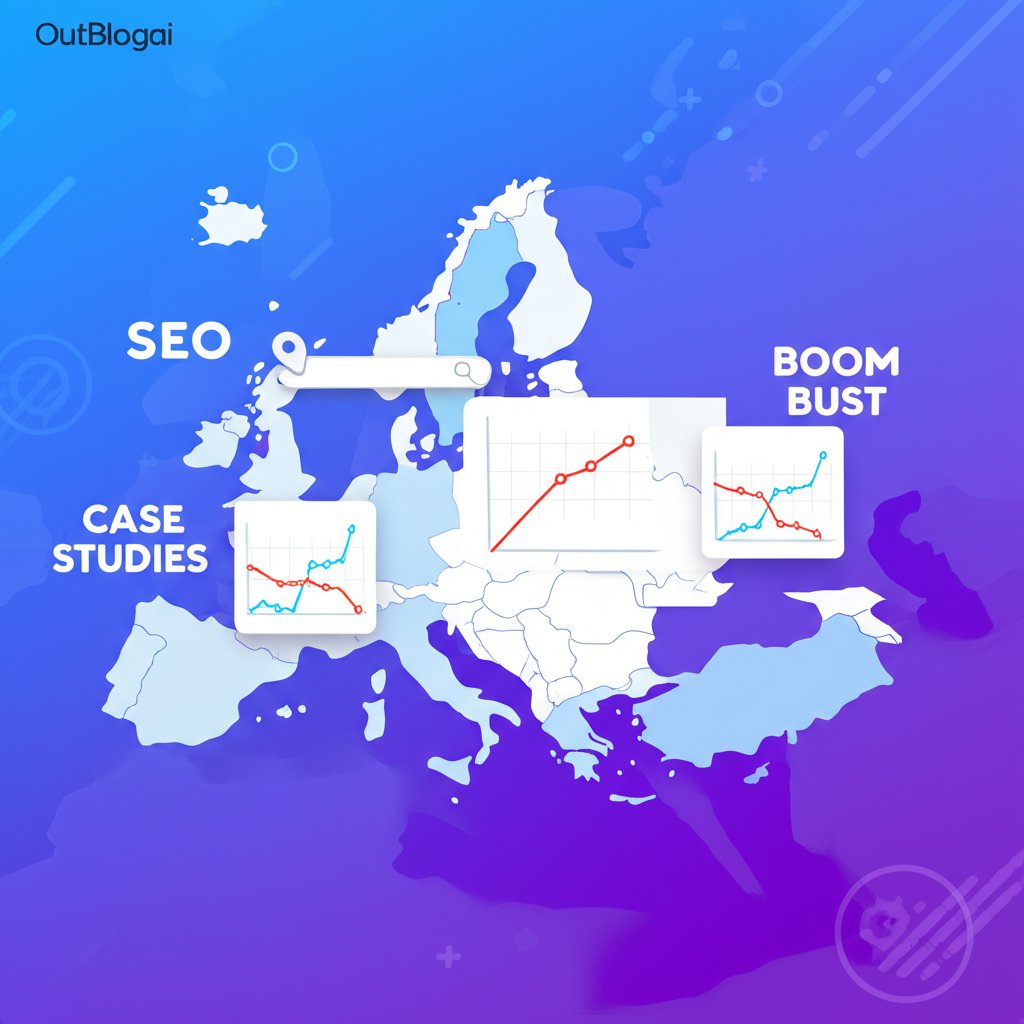
The digital arena is in perpetual motion, a shifting tapestry of innovation and change, and nowhere is this dynamism more pronounced than within the intricate realm of Search Engine Optimization (SEO). For enterprises striving to carve out their niche in the fiercely competitive European marketplace, comprehending the subtle currents and seismic shifts of SEO is not merely beneficial, but absolutely indispensable. Recent, often unpredictable, algorithmic adjustments implemented by leading search engine providers, coupled with the swift and pervasive integration of artificial intelligence, have ushered in an era of unprecedented volatility, leading to both spectacular online triumphs and precipitous downturns for various businesses. While the foundational tenets of SEO undeniably retain their crucial importance, the contemporary pathway to achieving and sustaining prominent online visibility now unequivocally demands heightened adaptability, a more refined and incisive focus on discerning user intent, and an unwavering commitment to cultivating genuine digital authority. This comprehensive exploration will delve into a selection of distinct and illustrative scenarios of SEO performance observed across the diverse European landscape, offering practical, actionable insights for aspiring digital pioneers seeking to amplify their digital presence and optimize their online strategies.
The Evolving SEO Landscape: A New Paradigm for Digital Prominence
For many years, the conventional understanding of SEO often revolved primarily around quantitative metrics such as keyword density and the sheer volume of backlinks. However, the contemporary digital ecosystem mandates a far more comprehensive and, critically, user-centric methodological approach. Leading industry experts are vocally emphasizing a profound reorientation away from the mere objective of driving raw website traffic, shifting instead towards prioritizing the generation of high-quality conversions and the deliberate establishment of authentic brand authority. The accelerating ascent of AI-powered search functionalities, exemplified by features like AI Overviews, signifies that users are increasingly discovering direct answers right on the Search Engine Results Pages (SERPs), consequently diminishing the necessity for clicks through to websites. This emerging phenomenon, commonly referred to as zero-click searches, compels forward-thinking SEO professionals to fundamentally redefine their metrics of success, moving decisively beyond superficial vanity traffic numbers to concentrate intently on nurturing engaged users and realizing measurable, impactful business outcomes.
The augmented emphasis on E-E-A-T (Experience, Expertise, Authoritativeness, and Trustworthiness) signals a pivotal and ongoing evolution in how content is evaluated and ranked. For content to truly resonate and perform well, it must demonstrably provide genuine, substantive value and be underpinned by verifiable credentials and insights. This increasingly necessitates the strategic integration of AI not as a complete substitute for human creativity, but rather as a collaborative co-pilot, empowering the scalable creation of content while preserving human ingenuity. Furthermore, an exclusive reliance on a single dominant search engine, such as Google, is becoming an increasingly precarious proposition. Actively diversifying one's digital visibility across a broader spectrum of platforms, including various social media channels, specialized online forums, and even alternative search engines, is no longer merely an option but has transformed into a strategic imperative for long-term success. Businesses are now required to cultivate a truly comprehensive and omnipresent online footprint, ensuring that their message effectively permeates and resonates wherever their target audience actively seeks information or solutions.
Key Takeaway: The trajectory of SEO points towards a multi-faceted future, necessitating a fundamental recalibration from a focus on sheer traffic volume to the meticulous pursuit of conversion quality, an unwavering commitment to demonstrating robust E-E-A-T, and the adoption of a broadly diversified digital strategy extending far beyond conventional search engine results.
Case Study 1: The Independent Pharmacy – A UK Success Story in Authority Building

Within the highly regulated and immensely competitive healthcare sector, the bedrock principles of trust and authority are not merely advantageous but are, in fact, non-negotiable prerequisites. The Independent Pharmacy, a prominent online pharmaceutical service headquartered in the United Kingdom, stands as a compelling and inspirational example of an SEO boom that was meticulously engineered through an intense focus on discerning and serving user needs, expertly combined with the precise implementation of structured data. Established in 2013, this business-to-consumer (B2C) entity embarked upon a strategic journey to significantly expand its online footprint by offering comprehensive remote medical consultations, valuable health advice, and an extensive array of prescription medications, thereby solidifying its reputation as a leading online pharmacy within the UK, underscored by an impressive accumulation of over 19,000 positive customer reviews.
Their pivotal growth strategy was ingeniously centered on the widespread deployment of Frequently Asked Questions (FAQs) across virtually every pertinent landing page on their website. By implementing specific FAQ schema markup discreetly behind the scenes, they dramatically amplified their prominence and visibility directly on the SERP, subsequently achieving thousands of valuable keyword rankings within a short period.
Strategic Pillar 1: Leveraging Structured Data for SERP Domination
The cornerstone of The Independent Pharmacy's SEO triumph lay in their astute utilization of FAQ schema. This structured data markup allowed search engines to comprehend the question-and-answer content directly within their pages, enabling these snippets to be displayed as rich results or "People Also Ask" boxes on the SERP. This not only increased their organic click-through rates by making their listings more appealing but also positioned them as an authoritative source of information right at the point of query. The systematic application of FAQ schema across relevant product pages and health information articles significantly expanded their digital footprint.
Strategic Pillar 2: User-Centric Content Creation and Iteration
Beyond just the technical implementation, the actual content of the FAQs was meticulously crafted to directly address common user queries and concerns related to health conditions, medication usage, and online pharmacy services. This user-centric approach ensured that their content was genuinely valuable and directly responsive to their audience's needs, fostering trust and reducing bounce rates. They consistently updated and expanded their FAQ sections, demonstrating an ongoing commitment to providing comprehensive and accurate information, which further reinforced their E-E-A-T signals.
Strategic Pillar 3: Building Authentic Domain Authority
The Independent Pharmacy didn't just focus on FAQs in isolation. Their overall strategy included building a robust backlink profile from reputable health portals, medical news sites, and other authoritative sources. Coupled with a strong online review presence (showcasing high trustworthiness), this holistic approach solidified their domain authority in the highly sensitive health niche. Search engines increasingly reward sites that demonstrate genuine expertise and reliability, and their consistent positive reviews and authoritative content served as powerful signals.
This multi-pronged approach illustrates how a deep understanding of user needs, combined with technical SEO prowess in structured data, can lead to remarkable growth, even in a saturated and regulated market like online pharmacy.
Case Study 2: MESHKI – Navigating E-commerce Volatility with Agility

The fast-paced fashion e-commerce sector is notoriously dynamic, perpetually influenced by shifting trends and consumer whims. MESHKI, a prominent Australian fashion retailer renowned for its luxurious yet affordable women's apparel, experienced a substantial downturn in search visibility following a significant Google core algorithm update. This scenario serves as a powerful illustration of the inherent vulnerabilities within e-commerce SEO and the absolute necessity for rapid, data-driven adaptation.
The Challenge: Post-Algorithm Drop and Traffic Diversification
MESHKI initially suffered a considerable decline in organic traffic, primarily due to the core algorithm update, which often re-evaluates content quality, E-A-T, and overall website usability. The immediate impact was a noticeable drop in keyword rankings and subsequent reduced conversions. This incident highlighted their over-reliance on a single traffic source. In response, they embarked on a comprehensive recovery and diversification strategy. Their challenge was not only to regain lost rankings but also to build resilience against future algorithmic shifts.
The Solution: A Multi-faceted Recovery Plan
Content Re-optimization and E-E-A-T Enhancement: MESHKI undertook a meticulous audit of its existing product descriptions, category pages, and blog content. They enhanced the quality and depth of product information, ensuring it was unique, engaging, and highly descriptive. They also focused on demonstrating expertise in fashion trends, incorporating expert style guides, and leveraging user-generated content (UGC) to showcase real-world experience with their products, thereby boosting their E-E-A-T signals. This involved showcasing high-quality imagery and video content to enrich the user experience and reduce reliance on purely textual content.
Strategic Backlink Audit and Acquisition: They performed a thorough audit of their backlink profile, disavowing any toxic or low-quality links that might have contributed to the penalty or diminished their authority. Concurrently, they initiated a strategic outreach program to acquire high-quality, relevant backlinks from influential fashion blogs, magazines, and lifestyle publications, further bolstering their domain authority and signaling relevance to search engines.
Technical SEO Deep Dive: A comprehensive technical SEO audit was conducted to identify and rectify any underlying issues hindering crawlability and indexability. This included optimizing site speed, ensuring mobile responsiveness, fixing broken links, and improving internal linking structures to distribute link equity more effectively across the site. They also refined their structured data implementation for products, reviews, and availability to enhance their presence in rich results.
Diversification Beyond Google Search: Recognizing the perils of single-channel dependency, MESHKI proactively diversified its digital marketing efforts. They significantly ramped up their presence on visual platforms like Instagram and TikTok, leveraging influencer marketing and engaging video content to reach their fashion-conscious audience directly. They also explored paid advertising on various platforms and enhanced their email marketing strategies, creating a more robust and resilient digital ecosystem. This move allowed them to mitigate the impact of search engine fluctuations by drawing traffic from multiple, independent sources.
The MESHKI case study underscores that while SEO is crucial, it must be part of a broader, diversified digital marketing strategy for e-commerce brands, particularly in volatile markets. Agility, continuous optimization, and a willingness to explore new channels are paramount for sustained growth.
The Algorithmic Reality: Embracing AI's Dual Nature in SEO

The integration of artificial intelligence into search engine algorithms has fundamentally transformed the landscape of SEO, presenting both formidable challenges and unprecedented opportunities. AI, with its capacity for sophisticated pattern recognition and deep learning, now plays a pivotal role in understanding user intent, evaluating content quality, and personalizing search results. This means SEO professionals must now "think like AI" to truly optimize their digital assets.
The Challenge: AI Overviews and the Zero-Click Conundrum
The emergence of features such as AI Overviews directly within search results illustrates a growing trend where users receive answers without needing to click through to a website. This "zero-click" phenomenon compels SEO strategies to evolve beyond merely generating clicks. Success is increasingly defined by whether a brand can establish authority and provide direct, concise answers that satisfy user queries, even if it doesn't always result in a website visit. The challenge is to craft content that is both comprehensive enough to rank and succinct enough to be summarized by AI.
The Opportunity: AI as an SEO Co-pilot
Conversely, AI offers powerful tools for SEO optimization. AI-powered content generation platforms can assist in scaling content creation, generating outlines, drafting initial content, and suggesting optimizations. Tools like Frase.io and SEO.AI leverage AI to analyze competitor content, identify semantic keywords, and ensure content depth, allowing human creators to focus on injecting unique insights, experience, and authority. This synergy between human creativity and AI efficiency is critical for maintaining a competitive edge.
Furthermore, AI-driven analytics tools, such as Conductor Intelligence or even advanced features within platforms like Hubspot, can process vast amounts of data to identify emerging trends, track keyword performance, and predict algorithmic shifts with greater accuracy. This proactive intelligence allows businesses to adapt their SEO strategies more swiftly and effectively, transforming potential threats into opportunities. AI also enhances personalization, allowing for more targeted content delivery and improved user experience signals, which indirectly benefit SEO.
The algorithmic reality dictates that SEO is no longer a static discipline but a continuously evolving interplay with AI. Brands that understand and embrace AI's dual nature – as both a challenge to traditional click models and a powerful optimization tool – will be best positioned for sustained online success.
Case Study 3: The German Start-up – A Penalty, a Pivot, and a Path to Recovery

Germany's digital market, known for its discerning consumers and strict data privacy regulations, presents unique challenges and opportunities for start-ups. A burgeoning German tech start-up, specializing in an innovative software-as-a-service (SaaS) solution, faced a significant setback when it incurred a Google penalty. This case exemplifies the critical importance of technical SEO vigilance, ethical link-building practices, and a rapid strategic pivot in the face of adversity.
The Challenge: The Unforeseen Penalty and Traffic Collapse
The start-up experienced a dramatic collapse in its organic search rankings and traffic, indicating a manual or algorithmic penalty. Subsequent investigation revealed that their previous SEO agency had engaged in aggressive, black-hat link-building tactics, acquiring a large volume of low-quality, spammy backlinks. This unethical practice, designed for quick gains, ultimately triggered Google's webspam algorithms, crippling their online visibility and jeopardizing their nascent business. The immediate imperative was to diagnose the issue, disavow harmful links, and rebuild trust with search engines.
The Solution: Meticulous Disavowal, Content Overhaul, and Ethical Link Building
Forensic Link Audit and Disavowal: The first critical step was a comprehensive forensic audit of their entire backlink profile. Using advanced backlink analysis tools, they meticulously identified and cataloged every toxic and unnatural link pointing to their domain. This was followed by the submission of a robust disavow file to Google via Bing Webmaster Tools (which provides a similar function to Google's Disavow Tool), signaling to Google that they did not endorse or wish to be associated with these spammy links. This was a long and arduous process but indispensable for recovery.
Content Quality and E-E-A-T Rejuvenation: Parallel to the link disavowal, the start-up initiated a sweeping overhaul of their website content. They shifted from keyword-stuffed, thin content to genuinely authoritative, in-depth articles and guides relevant to their SaaS solution. Emphasis was placed on demonstrating their founders' and team's expertise (E-E-A-T), providing highly practical solutions, and engaging thought leadership. This content strategy was designed to naturally attract high-quality, relevant backlinks from industry peers and publications, signaling genuine value to search engines.
Strategic and Ethical Link Acquisition: Instead of aggressive tactics, they adopted a nuanced, ethical link-building strategy. This involved:
- Guest Blogging: Contributing well-researched articles to reputable industry blogs and publications.
- Resource Creation: Developing valuable, shareable resources (e.g., industry reports, tools, infographics) that naturally earned links.
- Partnerships: Collaborating with complementary businesses and influencers for content syndication and mutual promotion.
- Digital PR: Engaging with tech journalists and media outlets to secure legitimate mentions and coverage.
Enhanced Technical SEO and User Experience: They also reinforced their technical SEO foundations, ensuring lightning-fast website load times, impeccable mobile responsiveness, and a seamless user experience. A clean, intuitive site structure made it easier for both users and search engine crawlers to navigate and understand their offerings. This comprehensive rehabilitation process eventually led to the gradual removal of the penalty and a steady, sustainable recovery in organic search visibility.
This German start-up's journey underscores a vital lesson: short-term, unethical SEO gains are unsustainable and carry severe long-term risks. Sustainable SEO growth hinges on adherence to ethical guidelines, prioritizing user value, and continuous investment in high-quality content and technical excellence.
The Future of SEO: Beyond Traditional Search – Diversification and AI Synergy
The traditional paradigm of SEO, focused predominantly on ranking for keywords on Google, is steadily broadening into a more expansive and intricate domain. The future of online visibility is increasingly interwoven with diversified digital strategies and a profound synergy with artificial intelligence across multiple touchpoints.
The Emergence of Answer Engines and Conversational AI
The rise of conversational AI models and answer engines like Perplexity and even enhanced versions of ChatGPT Search signifies a significant evolution. Users are no longer just typing keywords; they are asking complex questions and expecting direct, synthesized answers. This means SEO must adapt to optimize for natural language queries and ensure content is structured in a way that can be easily consumed and summarized by AI. Brands need to think about how their content can directly answer questions and provide value within these new interactive environments. This involves a shift from keyword phrases to topic clusters and semantic understanding.
Optimizing for a Multi-Platform Digital Presence
Reliance on a single search engine is a dwindling strategy. Future-proof SEO involves a holistic approach that cultivates visibility across a multitude of platforms where the target audience resides:
- Social Search (TikTok, Instagram): Platforms like TikTok and Instagram are increasingly acting as de facto search engines, especially for younger demographics seeking product recommendations, trends, and tutorials. Optimizing content for these platforms (e.g., using relevant hashtags, engaging video formats, leveraging trending sounds) is becoming a crucial component of a comprehensive SEO strategy.
- Video Search (YouTube): YouTube remains a dominant force for video content. Optimizing video titles, descriptions, tags, and leveraging auto-generated captions for keywords can drive significant traffic.
- Voice Search: With the proliferation of smart speakers and voice assistants, optimizing for natural language queries and concise answers is more important than ever.
- E-commerce Marketplaces (Amazon, Shopify): For product-based businesses, optimizing listings on platforms like Amazon or setting up a robust Shopify store with strong internal SEO is critical.
- Discover Platforms (Google Discover): While not traditional search, optimizing for Google Discover means creating compelling, fresh, and highly relevant content that appeals to user interests based on their browsing history and preferences.
AI-Driven Content Creation and Optimization Tools
The synergistic relationship between human SEO strategists and AI-powered tools will intensify. Tools like Pictory for video creation from text, Dialogflow for conversational AI interfaces, and advanced content optimization platforms like SEO Scout will become indispensable. These tools assist in:
- Content Ideation and Outlining: AI can analyze vast datasets to identify content gaps, trending topics, and keyword opportunities.
- Drafting and Refining: AI can generate initial drafts, summarize long-form content, and suggest improvements for clarity, conciseness, and E-E-A-T signals.
- Personalization and User Experience: AI can help tailor content and website experiences to individual user preferences, improving engagement metrics that implicitly benefit SEO.
- Predictive Analytics: AI will play an increasingly vital role in predicting algorithmic shifts and identifying emerging search trends, allowing proactive adaptation of strategies.
Ultimately, the future of SEO is about adapting to how users seek information across a fragmented digital landscape and leveraging AI to create, optimize, and distribute content effectively. The companies that embrace this multi-channel, AI-augmented approach will be the ones that thrive. The strategic insights and advanced tooling offered by services that understand the intricacies of digital performance, like those that empower businesses to better optimize their digital footprint, will be essential in this evolving environment.
Conclusion: Adapting to the Digital Tides
The evolving terrain of Search Engine Optimization in Europe, marked by profound algorithmic shifts and the pervasive influence of artificial intelligence, unequivocally underscores the paramount importance of adaptability and a forward-thinking perspective. The case studies of The Independent Pharmacy, MESHKI, and the German start-up collectively paint a vivid picture of the diverse challenges and remarkable opportunities that characterize the contemporary SEO landscape.
Whether it involves meticulously building authority through structured data and user-centric content, as exemplified by the healthcare sector's success, or navigating the turbulent waters of algorithmic volatility and diversifying traffic sources, as demonstrated by the fashion e-commerce giant, the core lesson remains consistent: sustainable digital growth hinges on a strategic blend of technical prowess, an unwavering commitment to quality content, and a profound understanding of evolving user behaviors.
The future demands that businesses extend their vision beyond the confines of traditional search engine rankings. It necessitates a holistic approach to online visibility, embracing optimization across a multitude of platforms—from social media to voice search and answer engines—and a deep integration of AI as a strategic partner in content creation, analysis, and overall optimization. By meticulously demonstrating E-E-A-T, cultivating genuine trust, and maintaining an agile, data-driven mindset, European businesses can not only weather the ongoing digital storms but also confidently chart a course towards unprecedented online prominence and enduring success. The ability to embrace these shifts and leverage cutting-edge strategies will determine the victors in the ever-unfolding digital narrative.