A Practical 30-Day SEO Plan for New Websites: From Zero to First Leads
'Launching a new website and expecting thousands of visitors in the first month often leads to what experts call the “launch disappointment gap.” The reality is that most new sites see 5-50 daily visitors as search engines take 1-4 weeks just for initial discovery. Instead of chasing vanity metrics, this 30-day action


Everyone launches a website with grand expectations: a digital gold rush, instant traffic, millions of visitors, and sales pouring in. Dream on. The harsh reality? More often, you're met with crickets. Perhaps fifty daily visits if you're lucky, and typically zero leads.
This is the "launch disappointment gap" in plain English. It's why people quit, throw money at ads, get nowhere, and declare the internet "isn't for them" – a convenient cop-out, honestly.
But here’s the critical truth: you don’t need to be a Fortune 500 company to achieve real online traction. You need a plan. A concrete, practical strategy, not some airy-fairy "game-changer" nonsense. Just actionable steps.
This isn't about chasing vanity metrics or succumbing to guru promises of 100,000 visitors in 30 days. That’s pure BS. This 30-day SEO plan for new websites is about mastering the fundamentals: building a robust technical foundation, understanding what your audience truly searches for, and strategically positioning yourself for actual leads.
We're focused on the journey from absolute zero to those crucial first conversions. Because let’s be real, that’s where the money is – not in traffic numbers that merely look impressive on a spreadsheet.
Setting Realistic Expectations for Your First 30 Days
You've launched it – your shiny new site. And you're likely already fantasizing about swimming in traffic, fresh out of the gate. Big mistake. That’s the launch disappointment gap kicking in (and yes, it's a very real phenomenon), ready to derail your efforts if you don't snap out of it. Because I’m telling you, right here, right now: your organic search traffic for this first month will be virtually nonexistent. Expect perhaps five to fifty visitors a day, tops. And those will likely be your mom, a friend, or a random referral – not Google. Not yet.
Understand this: search engines do not just hand out top spots to newbies. They simply don't. They demand history, trust, and authority, and they are in no hurry. You’re attempting to influence a giant, complicated machine, and it operates at its own pace. Here’s the glacial process, if you can even call it that:
- Discovery (Days 1-7): This is when Google bots first sniff around your site. Maybe. They detect its presence, a mere peek.
- Crawling (Days 8-21): They begin to dig in, slowly, examining your pages. What are they about? Is the underlying code clean or a mess?
- Evaluation (Days 22-30): Finally, they decide if you’re even worth showing to anyone, categorizing you into a bucket. Far, far away from page one.
Do you grasp the implication? This isn’t a quick flip. And Similarweb (2024) data consistently confirms this: new sites effectively exist in a ghost town for their inaugural month. Your primary goal for these first 30 days isn't to rank number one. It is to construct a rock-solid foundation. That's it. We're building infrastructure – not a mansion, but the essential concrete slab.
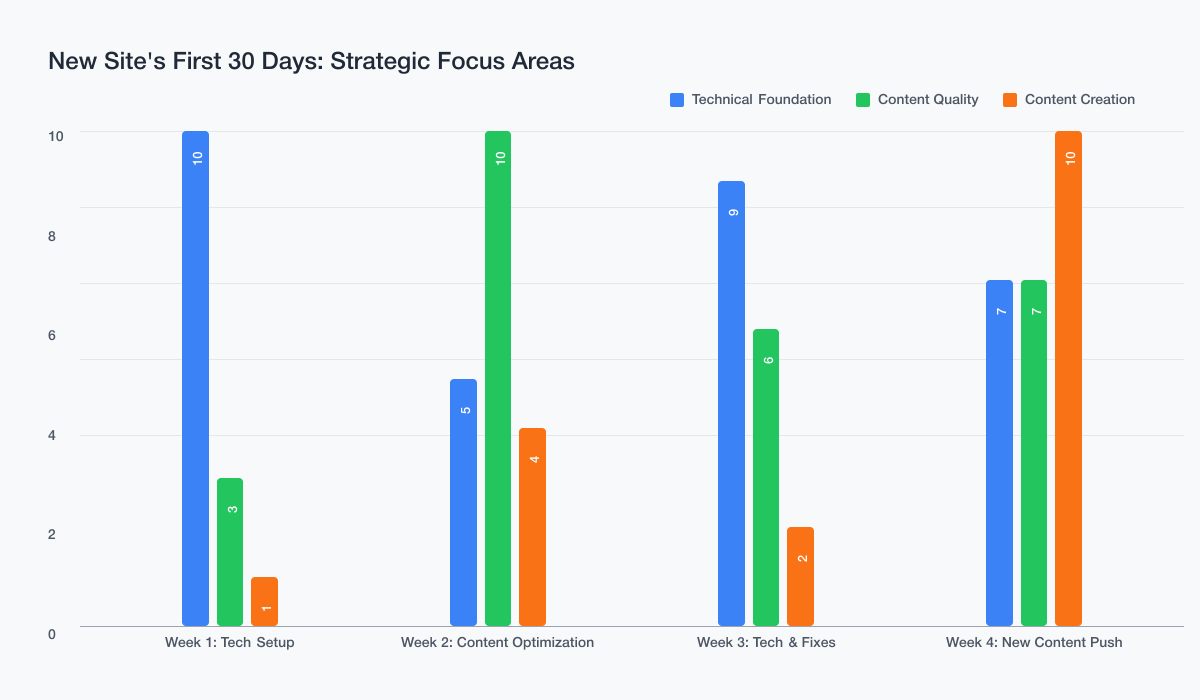
And, because you're undoubtedly wondering what you should actually be doing, here’s a rough outline of the plan: Week one? All about technical setup and site hygiene. Week two? Focus on your page content – the words themselves. Week three? More tech: speed optimizations, fixing broken links, and general cleanup. Week four? Finally, some initial content creation to make a tiny dent. Patience is paramount, because sustainable growth is a long game. The first 30 days are about creating the conditions for inevitable success, not achieving immediate results.
Week 1: Establishing Your SEO and Analytics Foundation
You want to do SEO? Fantastic. But if you dare skip these foundational steps, you’re building your entire strategy on quicksand. And trust me, it will collapse – every single time. This isn't optional; it is the absolute bedrock of your online presence. So, buckle up. We're getting down to the nitty-gritty basics.

First up, you need eyes on the damn ball. Or, more accurately, eyes on your ball.
- Implement Google Analytics and Google Search Console. Right now. If you're not tracking performance from day one, you're merely guessing. Pure, unadulterated guesswork. How else will you know what’s working (or, more likely, what’s spectacularly failing)? You need to see the clicks, the rankings, the conversions. Otherwise, what's the point of any effort?
Next, arm yourself with tools that genuinely facilitate your work, not just point out problems.
- Install a reputable SEO plugin. Yoast SEO or Rank Math – pick your preference. But use one. These plugins dramatically simplify critical on-page elements like meta descriptions, schema markup, and other intricate details that can otherwise drive you insane. They are indispensable.
Your site must be secure. Period.
- Ensure HTTPS is enabled with an SSL certificate. This isn't a suggestion anymore (it never truly was). It’s an industry standard. Google expects it and will penalize you for its absence. Seriously. Secure your site immediately.
So, how does Google even find your content? You tell it, directly.
- Generate and submit an XML sitemap to Google Search Console. This is your comprehensive roadmap for the bots. Don't make them work harder than necessary to discover your pages; they resent that.
But what about pages you don't want them to see? Think messy development files or private admin areas.
- Create a
robots.txtfile. This crucial file instructs search engines where they cannot go or what they shouldn't bother crawling. It’s akin to putting a "do not disturb" sign on specific rooms of your site. It's profoundly important.
And finally, before you craft a single word of content, you must understand your competition and, more importantly, what your audience actually searches for.
- Conduct thorough competitor and keyword research. Identify your true rivals – the businesses actively capturing your potential customers. Dive deep into what people are searching for. Because if you’re not targeting relevant search terms, you’re screaming into a void, and nobody, ever, is listening.
Look, this isn't rocket science. But it is the absolute minimum required for success. Without these foundational elements, your SEO efforts will not yield desired results. In fact, they won't work at all. You’ll be pouring money and time down a drain. And nobody wants that outcome. This isn't optional. This is your damn roadmap to not failing.
Week 2: Optimizing On-Page Elements for Search Intent
Alright, Week 2. You’ve got your foundation poured, your tools humming, and your analytics tracking. Now, it’s time to focus on what actually lives on your pages – the words, the structure, and how well it all speaks to both your audience and the search engines. Because if your content isn't clear, compelling, and aligned with search intent, all that technical groundwork is practically wasted.
First, let’s talk titles. Your page titles (the <title> tags) are critical. They’re the first thing people see in search results and the first clue Google gets about your page's topic. Make them descriptive, concise, and include your primary keyword naturally. Don't keyword stuff; optimize for clarity and click-through.
Next, your headings. Use H1 tags for your main page title – one per page, no more. Then, break down your content with H2, H3, and H4 tags. This creates a logical hierarchy that improves readability for users and helps search engines understand the structure and key topics of your content. Think of it as an outline for your readers and for Google.
Now, the content itself. This is where you demonstrate expertise and value. Focus on creating comprehensive, high-quality content that directly answers the questions your target audience is asking. Integrate your keywords naturally throughout the body, but prioritize readability and user experience above all else. Google rewards content that users find truly helpful and engaging.
Don't forget your meta descriptions. While not a direct ranking factor, a well-crafted meta description acts as an advertisement for your page in the search results. Make it compelling, summarize the page's value, and include a call to action if appropriate. This significantly influences click-through rates.
Finally, think about internal linking. Link relevant pages within your own site using descriptive anchor text. This helps distribute "link equity" across your site, guides users to related content, and tells search engines which pages are most important. It's a powerful way to enhance navigation and SEO.
Your content isn't just words on a page; it's a meticulously structured answer to your audience's deepest questions.
Week 3: Auditing and Improving Technical SEO Health
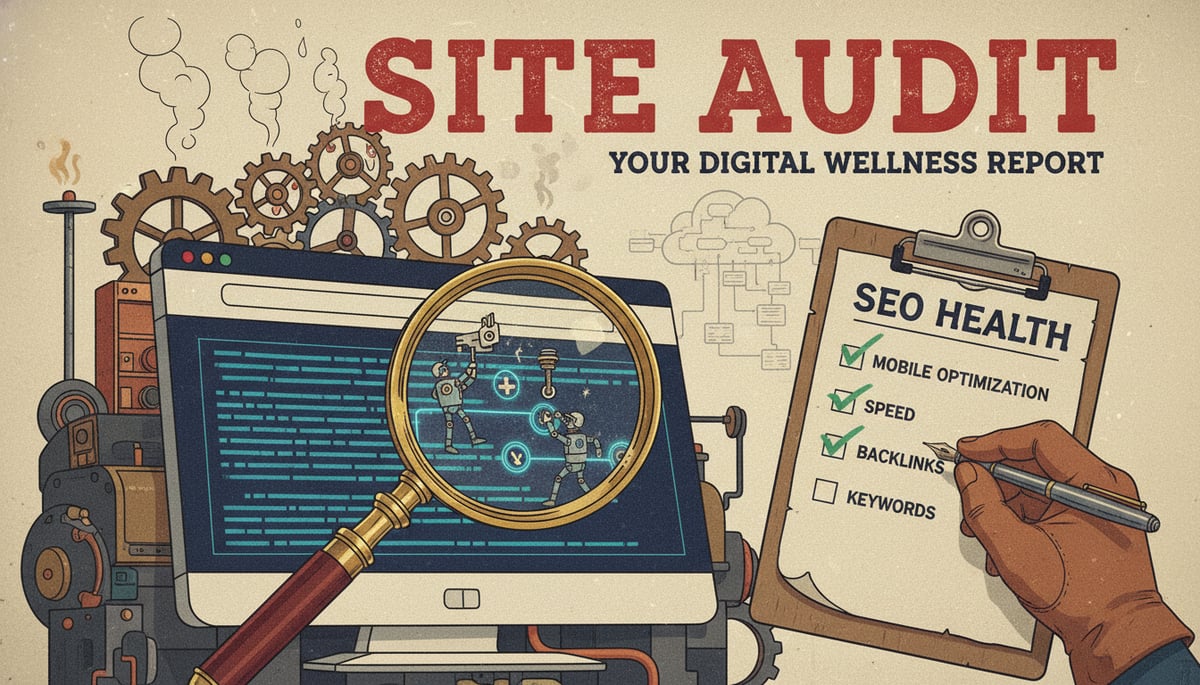

Look, technical SEO? It’s the essential, often-unseen groundwork. The bedrock. Because if your site is broken, agonizingly slow, or just a messy disaster, Google simply doesn’t care. Not one bit. It will penalize you, or worse, ignore you entirely. So you must fix this stuff. Right now. If your site isn’t technically sound, your best content and brilliant strategy are built on quicksand.
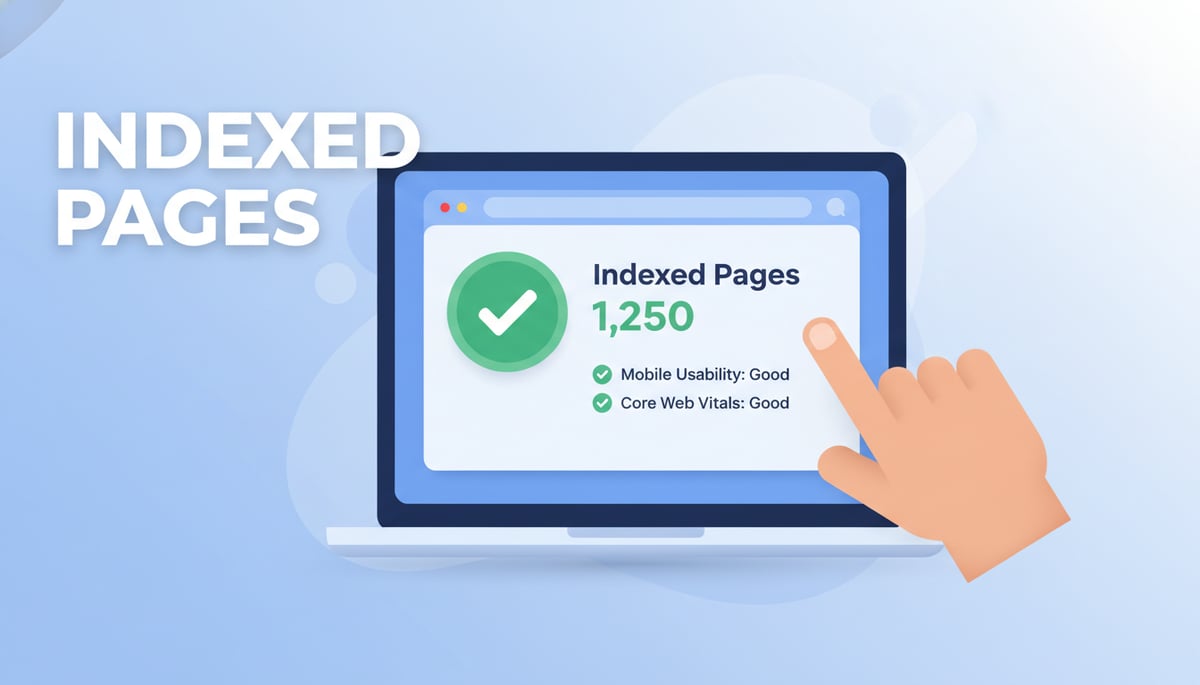
First up, the absolute basics: Is your damn site even showing up in search? So many people overlook this. You need to be intimately familiar with Google Search Console. Seriously. Check those index reports. Are your crucial pages actually indexed? If not, submit them. Force the issue. Because if Google can’t find it, your users definitely won’t.
And what about the broken elements? Nothing screams "I don't care" like a site littered with 404 errors. Find them. Fix them. Run a comprehensive site crawl with tools like Screaming Frog or Sitebulb – it's an absolute lifesaver (trust me). If a page has moved, for heaven's sake, set up a 301 redirect. You don't want to lose that hard-earned link equity. That's just wasted effort.
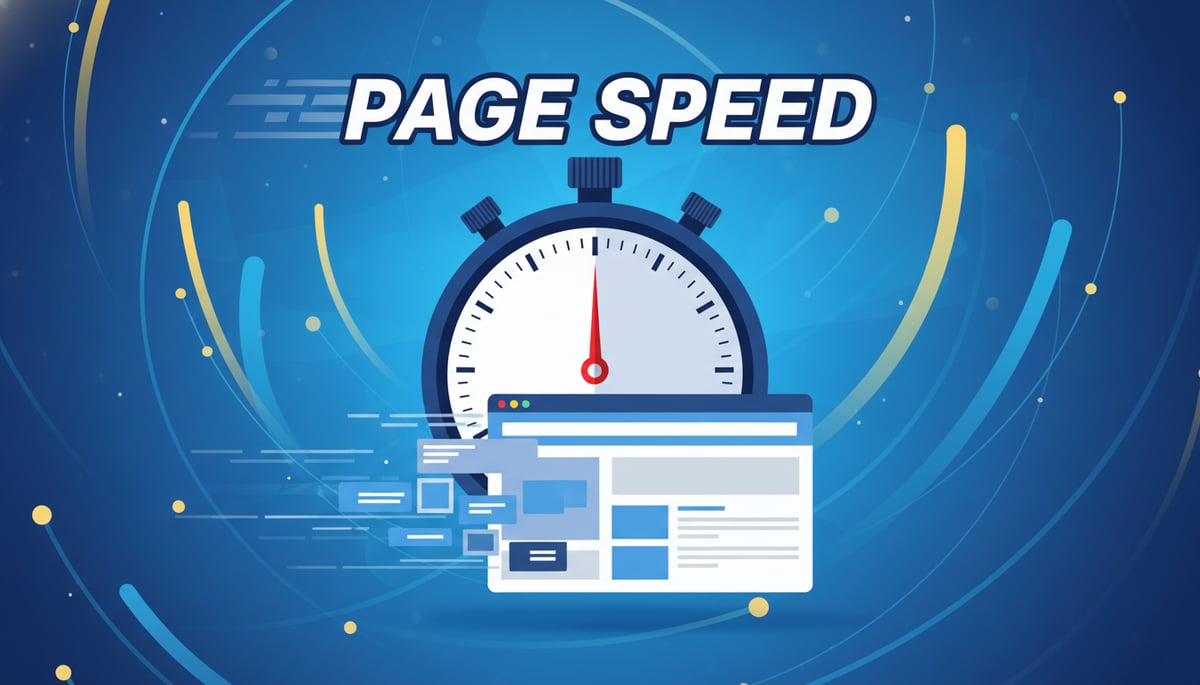
Slow pages? That’s a death sentence for user experience and rankings. You need page load speed under 3 seconds. That’s the target, not a mere suggestion. And those Core Web Vitals (Largest Contentful Paint, Cumulative Layout Shift, First Input Delay)? Google is meticulously tracking them. So you better be watching too. Optimize those images. Cull the unnecessary code. Because users bounce – fast – and Google knows it.
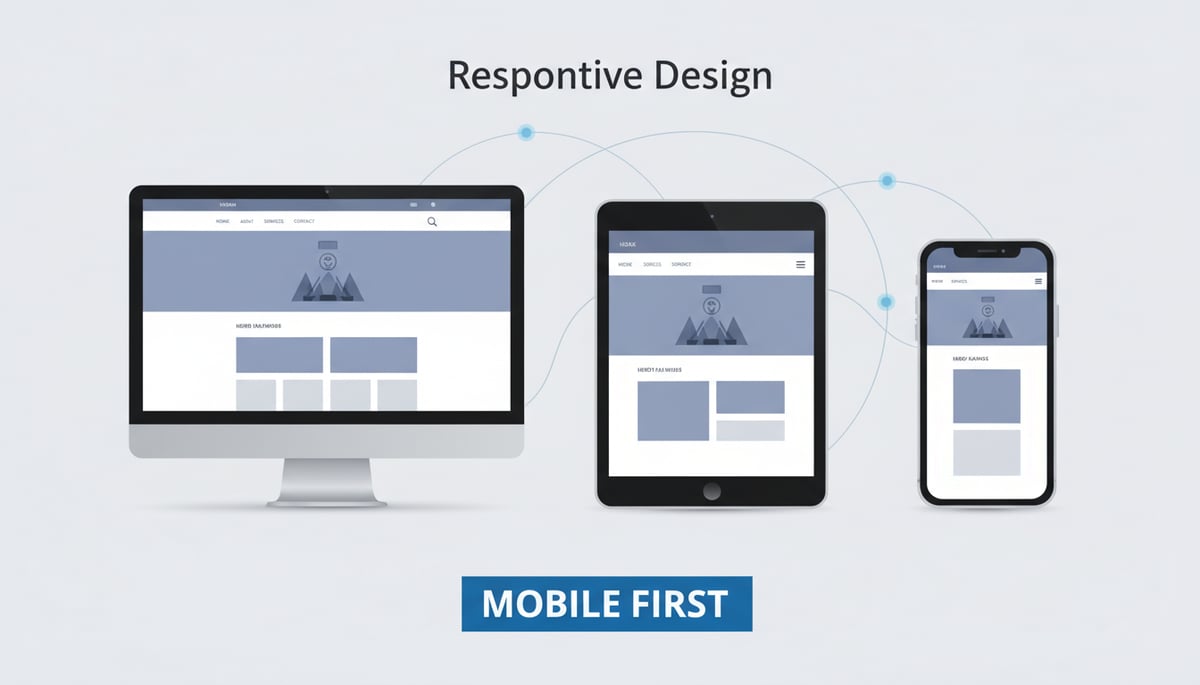
And your mobile experience? Here’s the undeniable truth: mobile traffic now accounts for more than half of all web traffic. Your site must be responsive and flawlessly functional on mobile. It's not 2010 anymore. If your site looks like garbage on a phone, you have failed. Utterly. Test it on various devices, constantly.
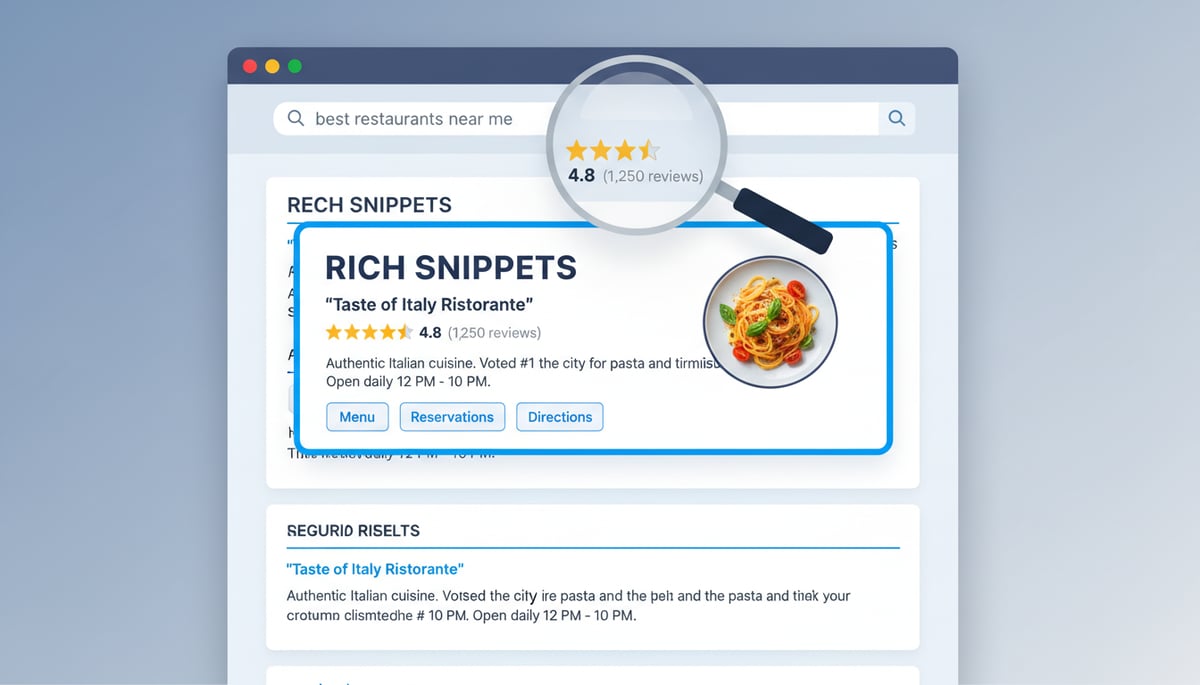
Finally, you want your content to truly stand out, right? That’s where structured data and Schema markup come in. It sounds fancy, but it simply tells Google precisely what your content is: your business, your articles, your products. Implement it. Rich snippets in search results literally jump off the page and grab attention. And who doesn't want that? So try it for your main content. It just works.
Week 4: Creating Foundational Content and Authority Signals
Alright, it's Week 4. And look, I know what you're probably thinking. You've likely been bombarded with advice about needing a thousand backlinks or ten new blog posts every single week. Forget that garbage. That’s a fast track to nowhere, or worse, to a Google penalty.
Here’s the undeniable truth: you must plant genuine seeds for growth, not merely scatter cheap fertilizer and hope for a harvest. That approach creates nothing but a mess. Instead, we're focused on building authentic authority – a solid reputation. Because one truly excellent, comprehensive page will outperform ten mediocre ones, every single damn time.
So, your critical mission for this week? Publish two to three genuinely valuable pieces of content. I'm talking deep dives, real answers to the pressing questions your audience has, not fluffy filler. For those looking to scale content creation, tools like OutblogAI can help streamline the process. Focus your efforts. These pieces must strategically target the keywords you meticulously researched earlier. Because quality isn't just a buzzword; it's what truly keeps people on your site, and it's what genuinely works.
Don't write ten new blog posts. That's just noise. And don’t even think about random backlink building right now; that’s a rookie mistake and incredibly dangerous. You are constructing a foundation, not a house of cards. Prioritize consistency over intensity, always.
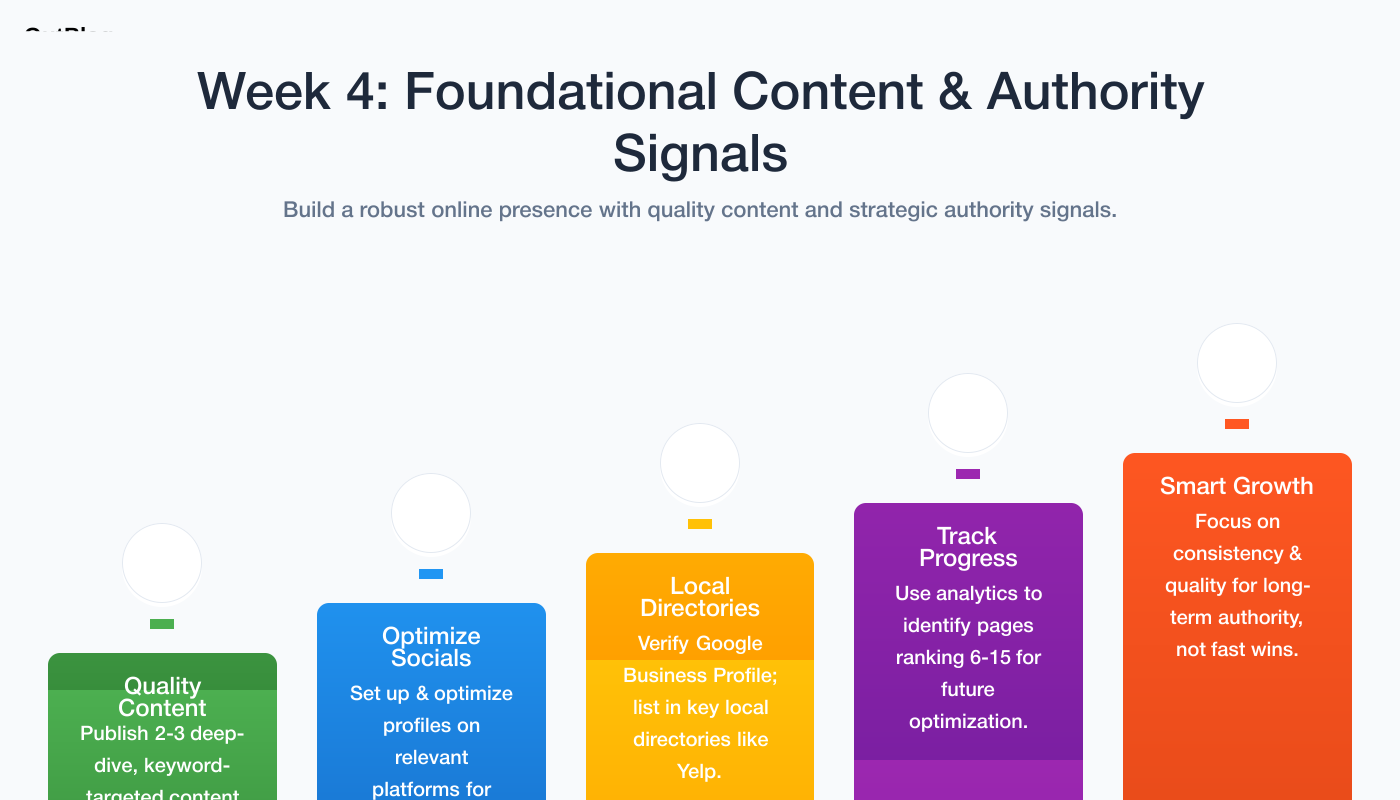
Next, you need to be visible where your target audience congregates. So, set up and optimize your social media profiles, but only on platforms where your customers genuinely spend their time. Don't waste energy on Pinterest if your audience is primarily on LinkedIn. It’s a colossal waste of breath. Active, relevant profiles can send subtle, indirect signals to search engines. It's a fact.
And if you're operating a local business? Get your Google Business Profile verified yesterday. It's profoundly important. Then, actively seek out and get listed in key local directories like Yelp. These are basic steps, yet so many businesses skip them – a massive mistake.
Finally, open your analytics dashboard. Start diligently monitoring your performance. You aren't looking for overnight magic – because that doesn't exist. But you are looking for nascent trends. Identify those pages that are starting to rank between positions 6 and 15. These are your golden tickets, your future targets. These are the pages you'll revisit, tweak, enhance, and watch climb the rankings. Even Similarweb (2024) data illustrates how to spot these crucial early indicators.
This isn't about fast wins; it’s about smart, sustainable moves that build lasting value.
From Traffic to Leads: Capturing Value from Day One
Look, all that SEO work – the keyword research, the content pushes – it's just noise if it doesn't directly translate into revenue. Pure vanity. That’s precisely what it is. Because generating traffic, while it feels good, is only half the battle. You could attract a million visitors, but if they're not taking action, you essentially have a digital ghost town. A very popular one, yes, but still a ghost town.

So, what’s the immediate fix? Tie your SEO efforts directly to your business goals and, ultimately, to the money. That’s step one. And for that, you need to identify your money pages. Not just pages that garner a ton of clicks – who cares about eyeballs if they aren't converting? I mean the content that genuinely propels people closer to opening their wallets or, at the very least, providing their email address.
Next, you need to offer something in return. Something free, yet immensely valuable. This is what we call a 'lead magnet.' It could be a custom checklist you developed, an insightful eBook you authored on a complex topic, or even a complimentary quick consultation. Whatever it is, it must powerfully captivate your audience, serving as effective top-of-the-funnel bait or even a sales-ready, bottom-of-the-funnel offer.
Then, you must create a dedicated space for this offer: a simple, focused landing page. No distractions. Just the offer and a concise form. Ask only for their email, perhaps a name. Anything more, and you risk losing them. And your call-to-action (CTA)? It must be crystal clear. "Download Now" – not "Explore Our Solutions" or other corporate fluff. So many businesses botch this crucial detail.
Finally, promote that offer relentlessly. Feature it prominently on your homepage, yes, but also strategically embed it within all that new, high-value content you published in Week 4 – precisely where your target audience spends their time. Because even Similarweb (2024) data indicates that focused efforts on specific conversion points are what truly move the needle, not just broad traffic numbers. And it works. This system ensures that even a modest amount of initial traffic can transform into actual, tangible leads. Real people. Potential customers. Not just more abstract numbers on a screen.
Stop chasing eyeballs. Start chasing dollars.
Frequently Asked Questions About New Website SEO
When can I expect to see results?
You want to know when the money starts rolling in, right? Look, you'll initially see tiny whispers: a few impressions, maybe a trickle of traffic in weeks. So, give it a month. But the real traction – the steady, dependable growth? That’s typically three to six months, minimum. And it demands consistent execution. SEO is an iterative process of testing, learning, and refining your strategy over time (most people quit far too soon). It simply is. Even Similarweb (2024) data confirms you must be in it for the long haul.Do I need to be a coding wizard for SEO?
Nah, you don't need to be some coding wizard. Not anymore. So many robust tools and platforms exist today: WordPress, Shopify, Squarespace, and others. They handle the vast majority of the technical dirty work. Your primary need is to understand how to leverage these platforms effectively and, crucially, what compelling content to create. Foundational SEO knowledge matters far more than knowing obscure HTML tags. Seriously.Is quantity or quality more important for content?
Get outta here with quantity over quality; that's crazy talk. One killer, comprehensive piece of content – just one – is worth ten half-assed, thin pages of garbage. I’ve seen this play out countless times. Google’s algorithms are sophisticated enough to detect low-quality content a mile away. So, make it genuinely good. Make it comprehensive. Because you aren’t just writing for bots; you’re writing for humans (remember them?).Should I buy backlinks to boost my rankings?
Paying for links? Dangerous. Don't even think about it. That’s a one-way ticket straight to the penalty box, and trust me, it’s a dark, lonely place. There are no shortcuts that truly pay off in the long run. While a shady link scheme might offer a fleeting, artificial boost, it will inevitably harm your site’s authority and rankings severely. You earn those links through creating exceptional content and building genuine relationships. Anything else is an attempt to cheat the system, and the system always, always wins. Avoid shortcuts; sustainable SEO is built on authentic value and earned authority.
Alright, listen up. We just walked through 30 days of actual, deliberate work. Not magic. Just work. Anyone telling you a new website instantly goes gangbusters is trying to sell you a fantasy. This plan? It’s about constructing something real, something that will endure far longer than a fleeting sugar rush.
There are no shortcuts here. You've now laid the foundational groundwork. You've begun to think like a user, not some bot attempting to game the system. And honestly, that’s half the battle won. The other half? Unwavering consistency.
Here’s the gut check on what truly matters:
- Patience is paramount. It's not just a virtue; it's a non-negotiable component of this entire endeavor. Search engines are inherently slow. Your initial "discovery" phase is critical, but it demands time. Do not obsess over daily visitor counts in month one – that’s for amateurs.
- Technical health is your site's skeleton. If your site is structurally broken, everything else – your brilliant content, your optimized user experience – will inevitably fall apart. A shaky foundation means everything built upon it is merely window dressing.
- Content and user intent are the twin engines. You must create content that people genuinely want to read, content that solves a real problem. And you must make it effortlessly easy for search engines to perceive that immense value.
It’s a tough slog, building authority from a standing start. But it profoundly beats blindly throwing money into ads without a solid, optimized home for those potential visitors. And look, sometimes the most effective strategy is simply showing up and consistently doing the damn work.
So, what’s your next move? Stop reading. Go implement. And if you encounter a snag or simply need a refresher on any of these principles, the comprehensive guides in our knowledge base are always there for you. They aren't going anywhere. Neither should your commitment to building a truly sustainable online presence.