From Blog Posts to Leads: Content That Actually Converts for SMBs
Nearly half of all consumers will leave a website for a competitor's if the experience feels poorly curated. For small and medium-sized businesses (SMBs), this means every piece of content must work harder to capture and keep attention. Many SMBs struggle with content that generates traffic but fails to produce qualified leads, leading to wasted resources and a stagnant sales pipeline. This article provides a practical, step-by-step guide to transforming your content strategy from a simple publishing schedule into a predictable lead generation engine. We will break down how to create content that aligns with the buyer's journey, focus on formats with the highest ROI, and implement simple systems to nurture and convert leads, ensuring your efforts directly contribute to business growth.

Nearly half of all consumers will abandon a website for a competitor if the experience feels poorly curated. For Small and Medium-sized Businesses (SMBs), this isn't just a statistic; it's a direct challenge to your digital presence and lead flow.
Many SMBs currently invest significantly in content designed to generate traffic, yet it consistently fails to produce qualified leads. This critical disconnect wastes invaluable resources and leaves sales pipelines stagnant, preventing true business growth.
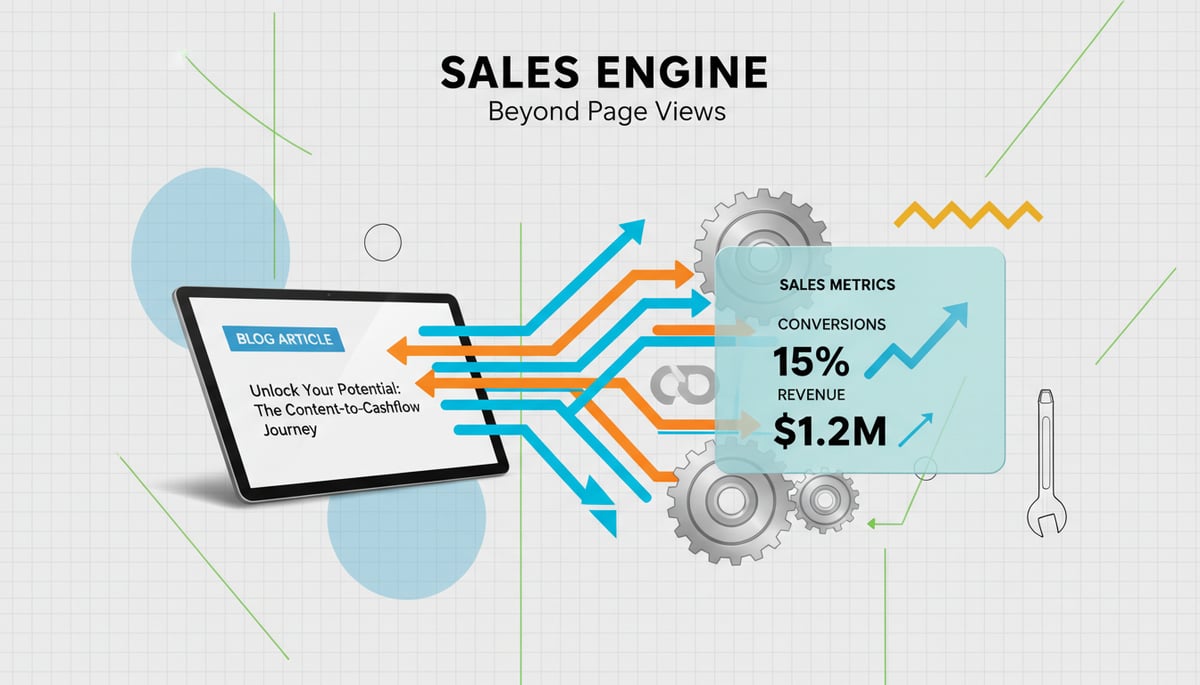
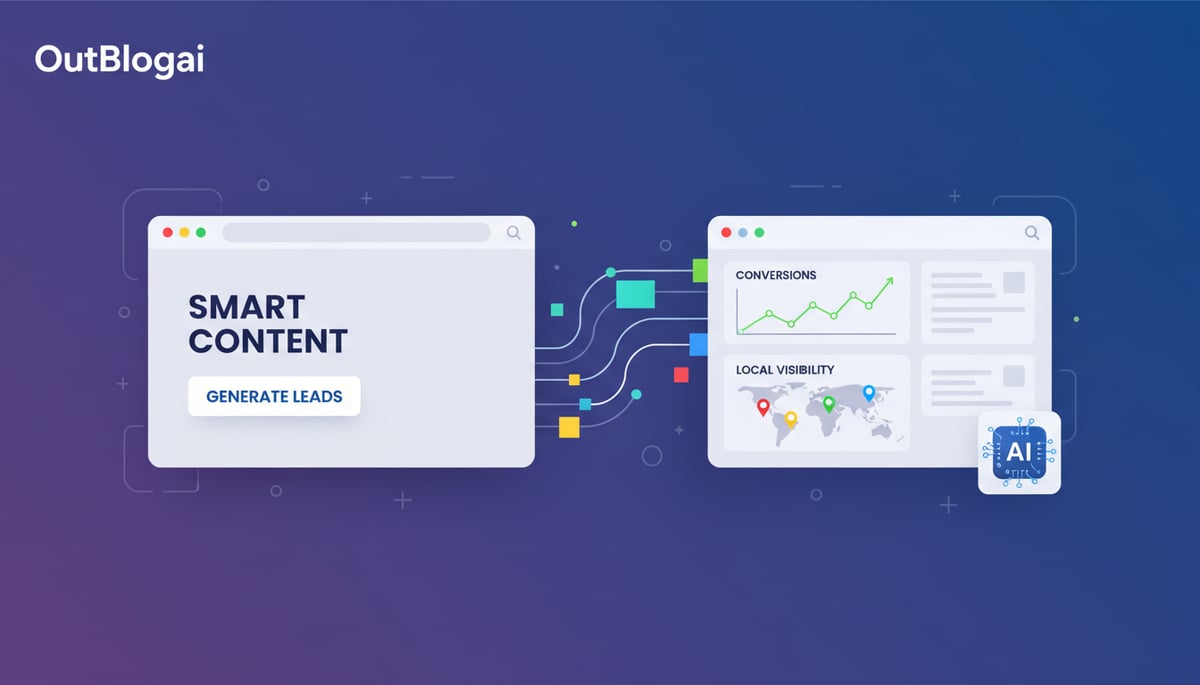
It's time to transform your content strategy from a passive publishing schedule into a dynamic, predictable lead generation engine. This article provides the strategic framework to ensure your content not only attracts visitors, but definitively converts them into loyal customers, helping you build a predictable lead generation engine.
We will dismantle common content pitfalls, align your efforts with the buyer's journey, and equip you with methods to create high-ROI content. Learn to implement robust nurturing systems that turn every lead into a valuable conversation and accelerate your business growth.
Why Your Content Isn't Generating Leads (And How to Fix It)

Many SMBs invest time and resources into content, only to find it generates traffic but few tangible leads. The core issue often lies in a misunderstanding of what truly constitutes effective lead generation for small to medium-sized businesses. It's not just about attracting eyeballs; it's about drawing in, qualifying, and nurturing potential customers who align perfectly with your ideal customer profile (ICP).
A common pitfall is chasing traffic volume over quality and relevance. While a flood of visitors might seem impressive, it's the right visitors, actively searching for your solutions, who ultimately convert. Businesses often make critical errors: targeting too broad an audience, using outdated or poor quality lead data, exhibiting slow follow-up, or relying on a single, isolated marketing channel. Organic content marketing, in contrast, builds trust and authority organically. It attracts prospects who are already seeking answers, making it far more effective than the costly and often damaging practice of buying leads. Bought leads are frequently uninterested and can harm your email sender reputation.
Note: While paid ads offer quick results, organic tactics like SEO and content marketing build sustainable, long-term assets for your business. Buying leads, as a poor alternative, often results in unsolicited messages marked as spam, which damages both brand credibility and email deliverability.
With SMBs typically allocating 7-10% of their revenue to marketing, strategies that deliver efficient, high-ROI are essential. Focusing your content on solving specific customer problems rather than generic topics transforms your blog into a powerful lead magnet. It’s about being present and helpful when your future customers need you most.
For SMBs with limited resources, a strategic content plan focused on solving customer problems is the most effective engine for creating a predictable sales pipeline.
The Buyer's Journey: Mapping Content to Customer Intent
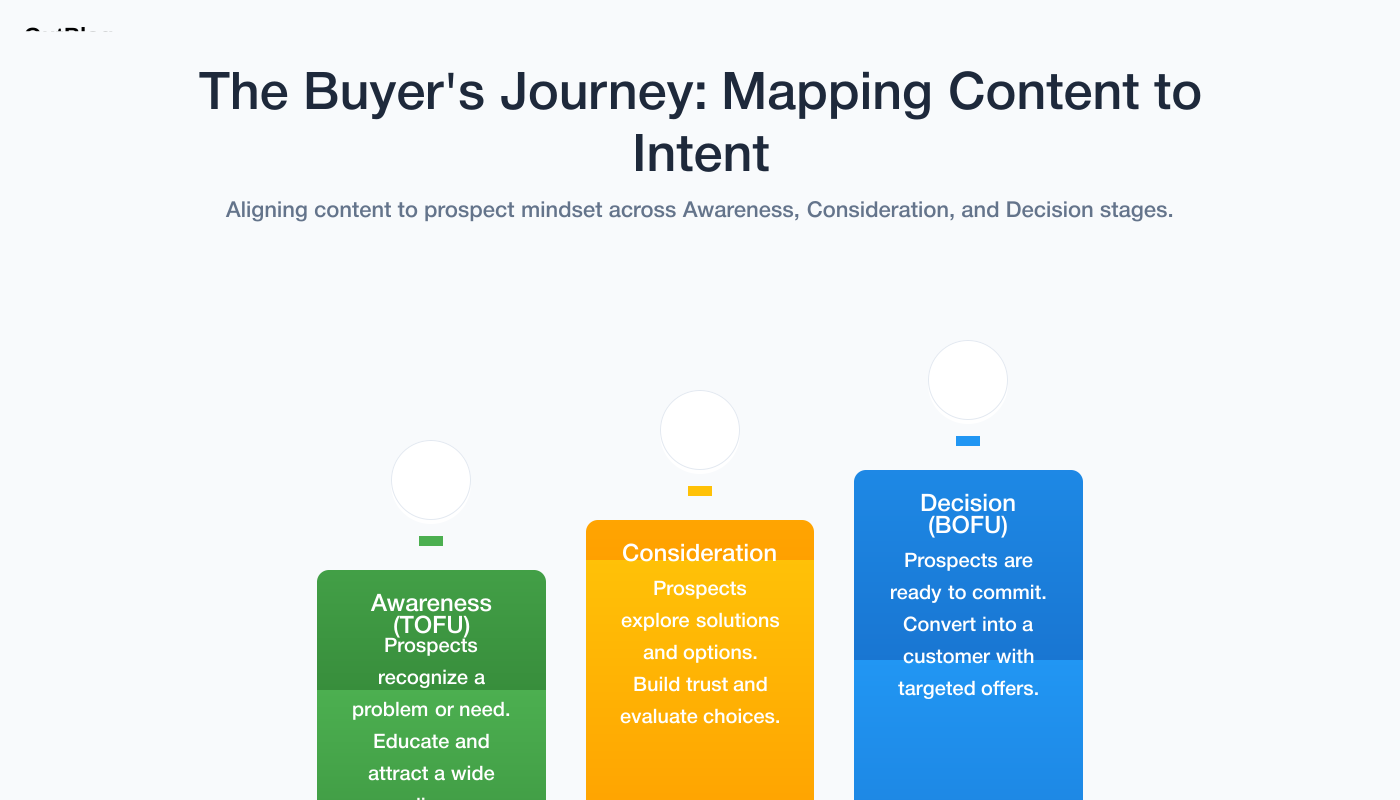
Transforming a passive reader into an engaged, qualified lead requires a strategic approach, one that recognizes where a prospect is in their decision-making process. This critical framework is known as the buyer's journey, simplifying a complex process into three distinct stages: Awareness, Consideration, and Decision. Each stage demands a specific type of content designed to address the prospect's mindset and evolve their understanding towards a purchase. Without this alignment, businesses risk offering a demo (BOFU) to someone just beginning their research (TOFU), leading to a poor experience and lost opportunity.
Let's break down how content aligns with these stages:
| Stage | Prospect Mindset | Content Goal | Content Types |
|---|---|---|---|
| Awareness (TOFU) | Recognizing a problem or need | Educate and attract a wide audience | Blog posts, social media updates, infographics, guides |
| Consideration (MOFU) | Exploring solutions and options | Build trust and evaluate options | Case studies, webinars, in-depth guides, whitepapers |
| Decision (BOFU) | Ready to commit and choose a vendor | Convert into a customer | Free trials, demos, consultations, product comparisons |
At the Awareness (TOFU) stage, prospects are just recognizing they have a problem. Your content should be broad, educational, and problem-focused, like "5 Ways Small Businesses Can Optimize Cash Flow." Moving into the Consideration (MOFU) stage, they're comparing various solutions. Here, in-depth guides, comparison articles, or webinars like "Choosing the Right Accounting Software for Your Startup" become valuable. Finally, at the Decision (BOFU) stage, prospects are ready to buy. Content such as free trials, personalized demos, or detailed consultations guide them toward your specific offering.
Personalized Calls-to-Action (CTAs), which can be precisely tailored to the specific funnel stage, have been shown to convert 202% better than generic ones. Furthermore, a single comprehensive blog post (TOFU) can be repurposed into a checklist (MOFU) or a webinar topic (MOFU), maximizing content efficiency and reach. This strategic reuse ensures every content piece works harder for your lead generation efforts.
Aligning your content types to the specific stage of a buyer's journey is the critical step that transforms passive readers into engaged, qualified leads.
Blogging for Leads: Turning Articles into Conversion Assets
Blogging remains an incredibly powerful tool for SMBs, serving as a foundational pillar for building authority, improving SEO, and directly addressing customer questions. However, to truly convert readers into leads, your blog posts must be structured with a clear conversion path in mind, moving beyond just informative articles to become strategic assets. While video is certainly rising, SEO-driven blog content consistently attracts high-intent searchers looking for detailed solutions, making it a key source of qualified leads.
Here’s how to create blog posts that generate conversions:
- Identify High-Intent Topics: Move beyond guessing. Utilize keyword research tools and Google's "People Also Ask" feature to uncover the specific questions and problems your audience is actively searching for. Look for keywords that indicate commercial intent or a clear pain point.
- Structure for Solutions: Each post should clearly define a problem, offer actionable solutions, and reinforce your expertise. Don't just inform; guide. Break down complex topics into digestible sections with clear headings and bullet points.
- Incorporate Strategic CTAs: Every blog post needs clear, relevant, and compelling inline Calls-to-Action (CTAs) that link directly to gated content (like an e-book or template) or product/service pages. These CTAs should naturally fit the article's context and offer the next logical step for a curious reader.
- Leverage Local SEO: If your business serves a specific geographic area, weave local keywords into your content. Phrases like "small business accounting Austin" ensure you capture highly relevant local search traffic, attracting prospects actively searching for solutions in their vicinity.
- Repurpose and Amplify: Blog posts serve as pillar content that can be easily repurposed into scripts for short videos, social media posts, and newsletter snippets. This maximizes the value of your content, extending its reach and reinforcing your message across multiple channels.
Frequent blogging can quintuple inbound traffic, and consistently publishing 15 blog posts per month can yield a significant 67% increase in leads. This demonstrates the clear link between consistent, high-quality blogging and measurable lead generation.
A strategic blog, optimized for search intent and designed with clear conversion paths, is the foundational pillar of any SMB lead generation effort.
The Unskippable Offer: Crafting Lead Magnets That Work
Turning website visitors into tangible leads hinges on presenting an offer too valuable to ignore. This "unskippable offer" is precisely what we call a lead magnet: a free, high-value resource provided in exchange for contact details. The perceived value of your lead magnet directly correlates with your conversion rate, making a compelling, problem-solving offer the most critical element of lead capture.
An effective lead magnet must directly address a specific, urgent problem your target audience faces. It shouldn't be generic advice but a tangible solution that offers immediate utility. Think of it as a small, instant win for your potential customer. For instance, a well-researched industry benchmark report or an ROI calculator offers immediate value, overcoming common email fatigue.
Lead magnets come in various effective formats:
- E-books or Whitepapers: In-depth guides on complex topics.
- Templates: Ready-to-use documents like marketing plans or budget sheets.
- Checklists: Simple, actionable guides for completing a task.
- Quizzes or Calculators: Interactive tools that provide personalized results.
- Webinar Registrations: Live or recorded sessions offering expert insights.
Interactive content, such as quizzes or assessments, often sees higher engagement because it feels less like a traditional 'gated asset' and more like a personalized experience, boosting conversions significantly.
Note: The goal is not just any contact information, but qualified leads. Your magnet should attract those genuinely interested in your solutions.
The success of your lead magnet is also tied to its presentation on a dedicated landing page. This page must have one singular goal: conversion. To achieve this, ensure a clear, concise value proposition is front and center. Crucially, remove all site navigation to eliminate distractions, focusing the visitor solely on the offer. The form itself should be simple, asking only for essential information needed to qualify and follow up effectively.
Crafting a truly valuable lead magnet is a strategic investment that directly fuels your lead generation efforts.
Distribution and Nurturing: Turning a Lead into a Conversation

Creating exceptional content is only half the battle; ensuring it reaches the right audience is the other, equally vital half. Without a robust distribution strategy, even the most insightful blog post risks becoming an unheard whisper in the digital noise. A consistent distribution plan and an automated nurture sequence are what systematically transform a one-time download into a sales-ready relationship.
Start by prioritizing distribution channels where your ideal audience actively spends their time. For B2B businesses, LinkedIn remains a powerful platform for sharing thought leadership and engaging with professionals. Don't limit content to its original format. Repurpose blog content into diverse, bite-sized pieces to maximize reach across different channels.
Consider these effective repurposing strategies:
- Blog Post to Social Media Snippets: Extract key statistics or quotes for LinkedIn posts, Twitter threads, or Instagram carousels.
- Blog Post to Email Newsletter: Summarize the main points and link back to the full article, offering exclusive insights to subscribers.
- Blog Post to Short Video Clips: Create quick explainer videos or animated graphics summarizing concepts for platforms like YouTube or TikTok.
This multi-channel approach ensures your message resonates broadly. Email marketing, in particular, is considered the most effective online lead generation strategy by nearly half of all marketers.
Once a lead downloads your magnet, the nurturing process begins. This isn't about immediate selling, but about building trust and offering continued value. Implement a simple automated email nurture sequence, typically 3-5 emails, to deepen the relationship. Most modern email marketing platforms, even free versions, offer basic automation to set up these 'drip' campaigns efficiently.
A practical nurture sequence might look like this:
- Welcome Email: Thank them for downloading, reiterate the value, and introduce your brand.
- Related Value Email: Share a complementary resource, like a case study or another relevant blog post, without a hard sell.
- Problem-Solving Email: Offer a solution to a related challenge they might have, subtly positioning your offering.
- Soft Call-to-Action (CTA) Email: Invite them to explore a demo, a free consultation, or book a call, ensuring the language remains helpful and low-pressure.
These sequences can be triggered automatically by specific behaviors, such as a content download, providing timely and relevant follow-ups. A well-designed nurture sequence systematically transforms a new lead into a sales-ready prospect, paving the way for a genuine conversation.
Measuring What Matters: Simple Metrics to Track Your Success
In the pursuit of content that converts, it’s easy to get lost in a sea of data. SMBs must avoid 'vanity metrics'—like raw website traffic or social media likes—that look good but don't directly link to business outcomes. Focusing on a handful of business-critical KPIs allows SMBs to accurately measure the ROI of their content and make strategic decisions without being overwhelmed by data.
Instead, concentrate on metrics that directly impact your bottom line. Key lead generation KPIs for SMBs include:
- Lead Conversion Rate (LCR): The percentage of website visitors who complete a desired action, like downloading your lead magnet, becoming a lead.
- Customer Acquisition Cost (CAC): The total cost of marketing and sales efforts required to acquire a new customer.
- Pipeline Velocity: How quickly leads move through your sales funnel, indicating efficiency and sales cycle length.
Basic website analytics, often combined with data from your CRM or even a simple spreadsheet, can effectively track these conversion rates and the cost per lead.
To understand which content and channels are truly driving results, use UTM parameters in your links. These short text codes added to URLs help track the source, medium, and campaign that brought a visitor to your site, offering clear attribution insights. This provides directional insight; knowing your blog generates more qualified leads than social media ads is a powerful starting point for any SMB.
Finally, establish a continuous feedback loop with your sales team. They are on the front lines, engaging directly with leads. Their input is invaluable for understanding which content sources generate the highest quality leads that ultimately close. This alignment refines your content strategy, ensuring it consistently attracts and nurtures the right prospects.
By focusing on these core metrics and maintaining a feedback loop, SMBs can confidently make data-informed decisions that drive growth.
The journey from simple blog posts to a robust lead generation engine demands a strategic recalibration of your content efforts. It's about moving beyond mere online presence to purposeful engagement that demonstrably contributes to your bottom line.
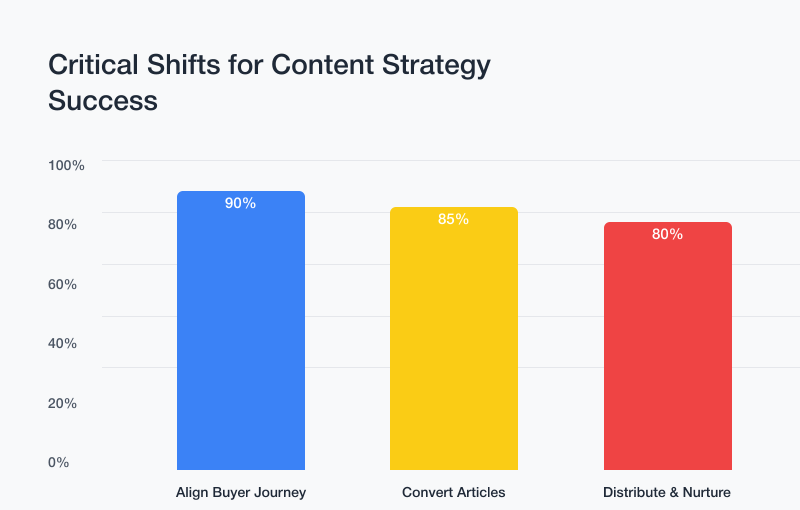
To truly transform your content strategy, focus on these critical shifts:
- Align content with the buyer's journey: Every piece of content you produce must meticulously address specific customer intent, meeting prospects precisely where they are in their decision-making process. This strategic mapping ensures your content guides them naturally and efficiently towards conversion.
- Transform articles into conversion assets: Move beyond simply publishing information. Integrate compelling calls-to-action and irresistible lead magnets directly into your valuable articles, turning them into proactive tools for lead capture. Each post should serve a dual purpose: inform and convert.
- Prioritize distribution and nurturing: Creating exceptional, intent-driven content is only the initial step. Effective promotion across relevant channels, coupled with a systematic lead nurturing process, is essential to cultivate interest, foster trust, and ultimately convert leads into meaningful conversations and sales opportunities.
Implementing these focused strategies requires consistent effort and a clear understanding of your audience's evolving needs. However, the return in qualified leads, accelerated sales cycles, and sustained business growth is undeniable. Your content can and should function as a predictable, high-performance engine for business development, not merely a static library.
Begin by rigorously auditing your existing content against the buyer's journey framework. Identify precise gaps and opportunities where your current articles can be immediately optimized with stronger offers or clearer calls-to-action. For those committed to scaling these efforts and achieving undeniable market authority, exploring how advanced content automation from a platform like OutblogAI can streamline and amplify this transformation offers a significant strategic advantage.